This article is for supply-chain, procurement, operations, and quality professionals who need to understand Tier 2 responsibilities or who are dealing with quality, capacity, launch, and delivery pressure. It covers where Tier 2 sits, what these suppliers make, the main risks, and how to strengthen inspection, containment, rework, and production support.
Key Takeaways
- "Tier 2" describes a supplier's position in a supply relationship, not company size.
- Tier 2 suppliers commonly provide components, child parts, or processes that Tier 1s build into larger assemblies.
- Quality escapes, traceability gaps, and late shipments travel up through multiple levels.
- Structured inspection, containment, rework, and clear communication protect production continuity.
What Is a Tier 2 Automotive Supplier?
Defining the Tier 2 role
A Tier 2 supplier typically provides components, subcomponents, or specialized manufacturing services to a Tier 1 supplier rather than delivering a finished system to an OEM. A MEMA directed-buy agreement shows the pattern: the Tier 2 supplies a directed component to a Tier 1, which supplies component parts to the OEM.
Tier status depends on the relationship for a specific part or program. One company can be Tier 1 for one customer and Tier 2 for another. Design and integration duties also vary by program, so don't assume every Tier 2 simply builds to print.
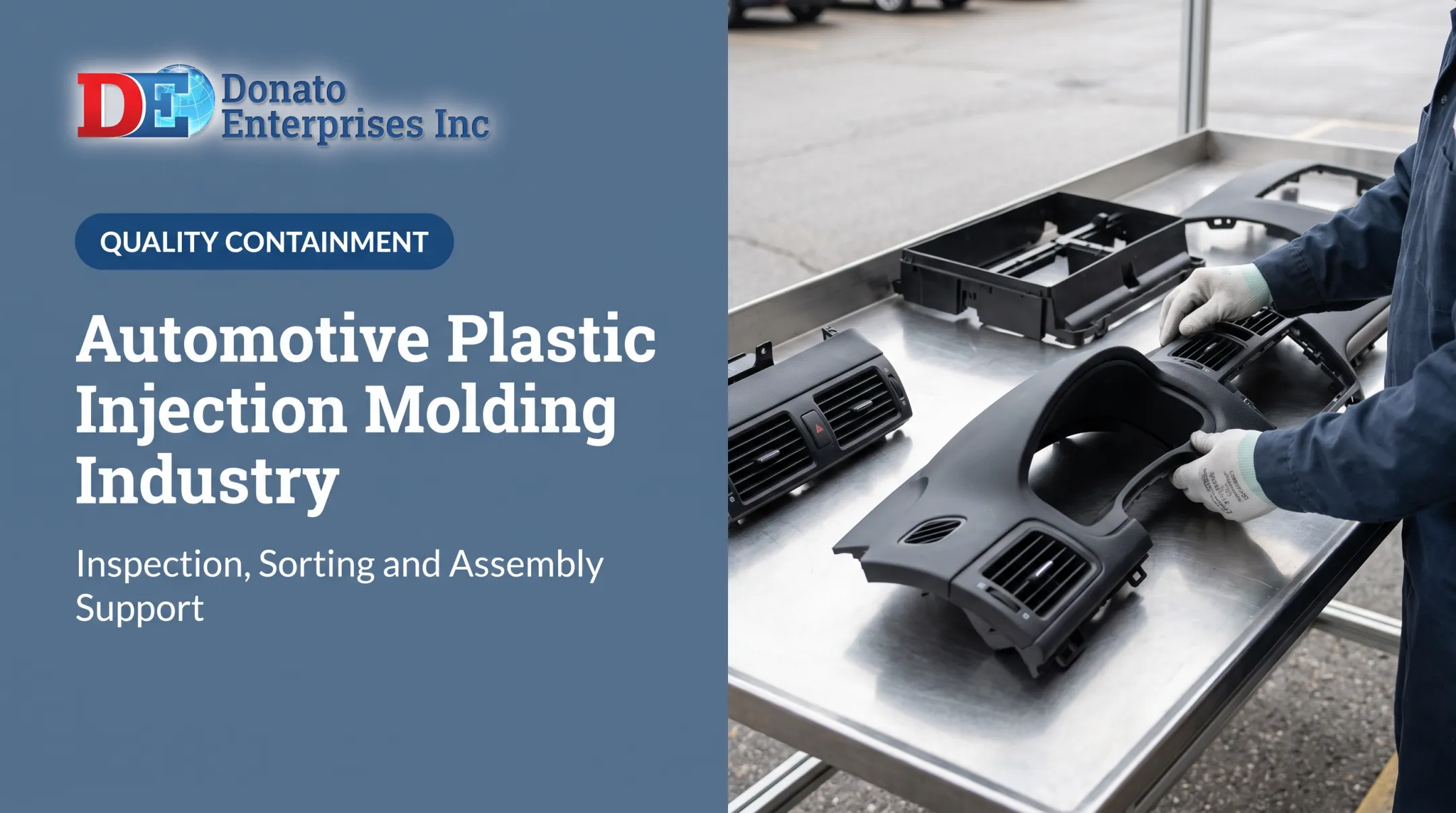
A Tier 2 parts manufacturer is also different from a manufacturing-support provider. The latter performs inspection, sorting, rework, deburring, assembly, or packaging on behalf of a Tier 2 company, without making the parts.
How the tiers compare
- OEM: vehicle design and final assembly
- Tier 1: supplies systems or component parts directly to the OEM
- Tier 2: supplies components or processes to Tier 1
- Tier 3 (sub-tier): supplies raw or near-raw material; definitions are program-specific
The boundaries blur. A stamper might ship brackets directly to an OEM and also feed a Tier 1 seat-frame supplier.
Why Tier 2 matters
Tier 1s rely on Tier 2 specialization for tooling, materials, and capacity they don't want to build in-house. The flip side: a Tier 2 quality or delivery problem moves up through the Tier 1 assembly and lands on OEM schedules, customer commitments, and warranty exposure.
Where Tier 2 Suppliers Fit in the Automotive Supply Chain
Flow of parts and information
A typical chain: a Tier 3 mill ships coil stock to a Tier 2 stamper, which delivers brackets to a Tier 1 integrator, which supplies the OEM.
Parts are only half of it. These records also have to move accurately between each party:
- Drawings and specifications
- Forecasts and purchase orders
- Delivery schedules and inspection requirements
- Engineering changes and traceability records
Delivery models raise the stakes
Just-in-time delivery centers on the right product, quantity, time, and place. Just-in-sequence adds order to that. Both leave little room for wrong counts, mislabeled packaging, or late shipments.
Digital tools help. AIAG describes standardized EDI formats for exchanging data such as dispatch advices, and its MMOG/LE tool supports supplier self-assessment. These support visibility, but the operational discipline still sits on the shop floor.
How disruptions travel
A material shortage, machine failure, dimensional defect, or quality hold at Tier 2 can starve a Tier 1 line. Recent upstream events show the exposure: Reuters reported that halted exports from Nexperia's Dongguan site in late 2025 upended automotive supply chains. That case illustrates lower-tier risk, though it doesn't confirm a specific OEM stoppage.

What Do Tier 2 Automotive Suppliers Make and Do?
Common component categories
Products vary by program but can include:
- Stamped metal parts and brackets
- Machined components and weldments
- Die castings and foundry castings
- Injection-molded plastic and foam parts
- Electrical and electronic components
Process alone doesn't make a company Tier 2. A stamper is Tier 2 only when it supplies a Tier 1 customer on that program.
Build-to-print and specialized production
Many Tier 2 suppliers manufacture to customer-provided drawings, tolerances, approved materials, and process requirements. Success depends on process capability, repeatability, tooling control, and inspection planning, because the parts go into someone else's assembly.
Secondary operations
These steps often run in-house or through an outside provider:
- Flash removal, deburring, and cleaning
- Cosmetic and dimensional inspection
- Rework and sub-assembly
- Kitting, repackaging, and labeling
They affect fit, appearance, downstream assembly speed, and whether the customer accepts the parts at all.
Launch and production support
Tier 2 suppliers often support new launches, engineering changes, prototype-to-production transitions, PPAP documentation, and safe-launch controls. Requirements come from the customer, so confirm them rather than assuming one universal process. Temporary inspection, added staffing, or external secondary operations can keep output steady while new processes stabilize.

Common Challenges and Quality Risks for Tier 2 Suppliers
Quality escapes and complaints
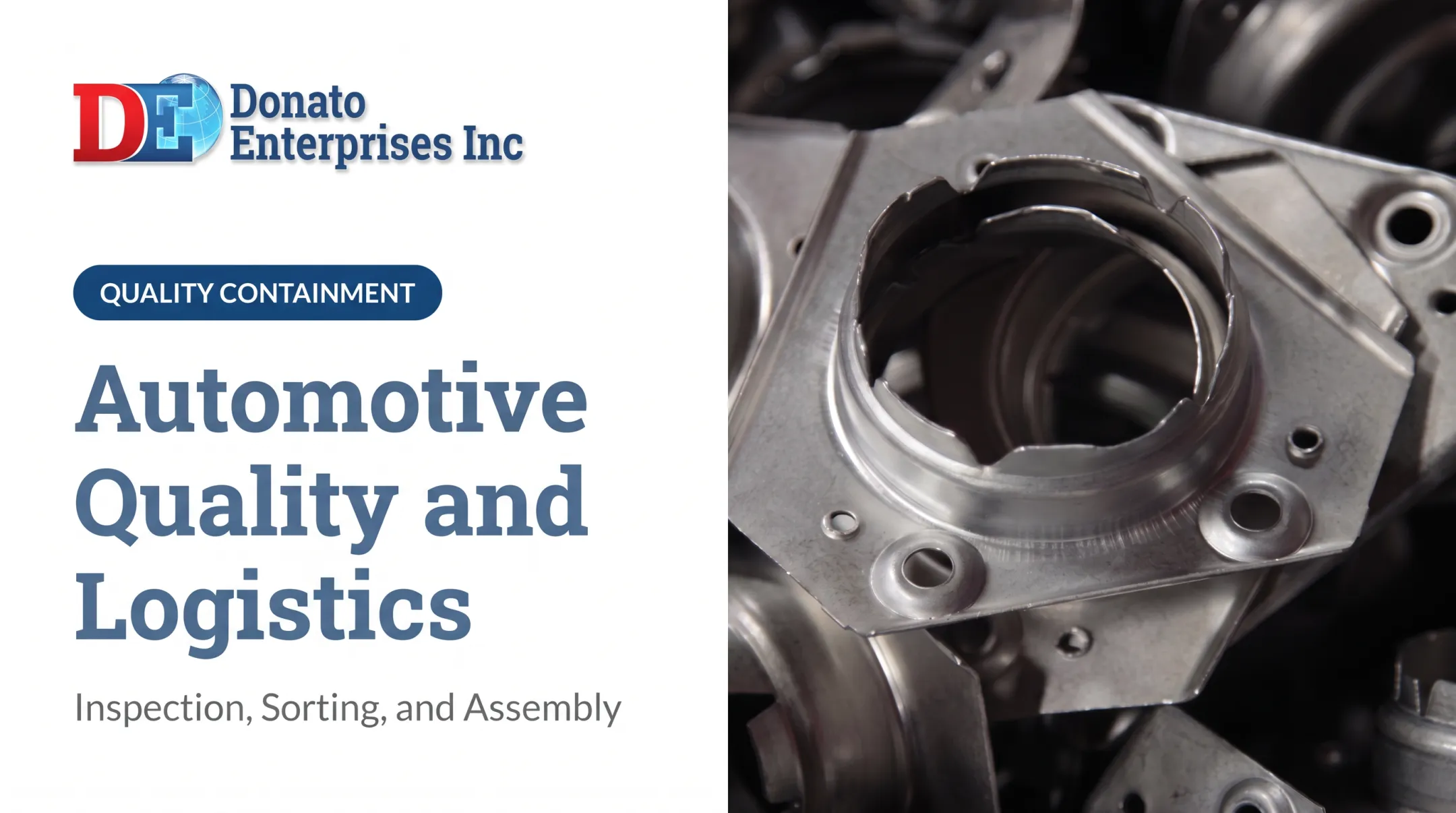
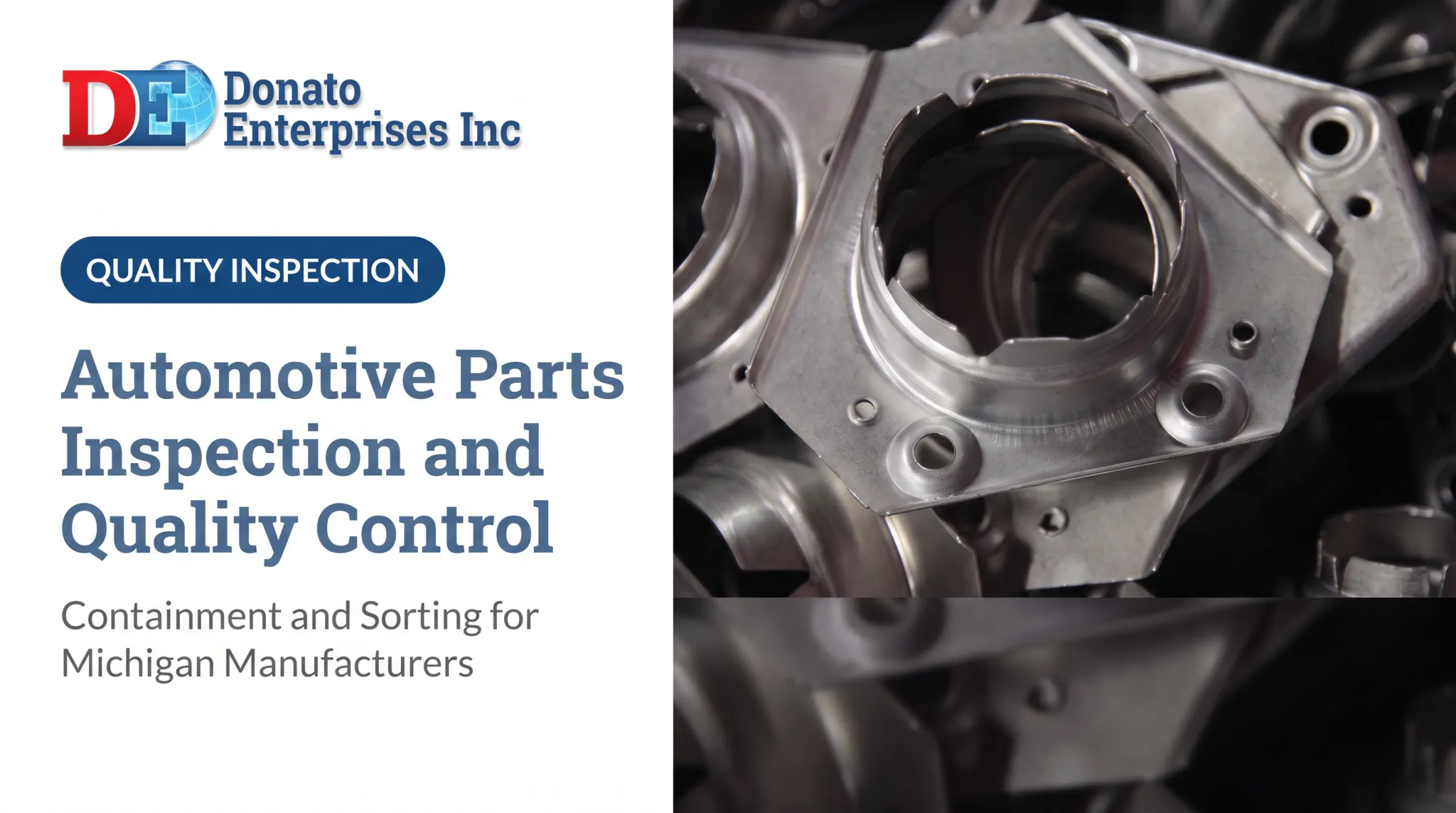
A dimensional defect, burr, flash, cosmetic flaw, mixed part, or wrong material can turn into a suspect-part alert once it reaches a Tier 1 plant. Escalation levels are customer-specific.
GM, for example, describes CS2 escalation as applying when normal controls can't protect the customer from nonconforming product. Check your customer's own definitions and exit criteria.
After a suspected escape:
- Communicate quickly with the customer.
- Identify affected lots.
- Stop or control suspect material.
- Preserve records.
- Set a documented disposition process.
High-volume inspection and containment
When sampling can't protect a shipment, 100% inspection or sorting may be required. Practical controls include:
- Clear defect standards and boundary samples
- Calibrated gages and trained inspectors
- Lot segregation and visible status identification
- Inspection records and independent verification of released material
Track KPIs such as item escape rate, first-pass yield, rework rate, response time, and on-time release. Define each formula internally, since no single universal calculation exists.
Rework, deburring, and capacity
Burrs, flash, dings, and excess material create labor-heavy work that pulls press operators, molders, or quality staff off normal production. The tradeoff is simple: tie up your own floor, or hand the work to a qualified provider. Either way, reworked parts need:
- Defined acceptance criteria
- Controlled instructions
- Traceability
- Final verification before shipment
Launches, PPAP, and engineering changes
New programs and changes temporarily increase inspection, documentation, and first-piece review. AIAG describes PPAP as demonstrating that a supplier's process meets engineering design records and specifications. Follow customer-specific launch requirements, such as GM's Early Production Containment.
Revision control matters too. Outdated drawings or incomplete change notices produce nonconforming parts even when the process hasn't changed.
Delivery and coordination
Shortages, shifting schedules, packaging errors, and inaccurate counts compound existing quality problems. Define a clear handoff among production, quality, logistics, purchasing, and the customer's receiving or supplier-quality team. A good response plan names:
- Decision owners
- Communication channels
- Inspection status
- Shipment priorities
- Release authority
How Tier 2 Suppliers Can Manage Quality and Capacity Pressure
Build a prevention-and-response workflow
Pair preventive controls (clear specifications, process checks, incoming-material verification, final inspection) with a documented containment workflow. When something goes wrong, follow the sequence:
- Identify the issue and the scope of affected parts.
- Contain affected material so suspect product cannot ship.
- Define the inspection or rework method and accept/reject criteria.
- Document results for traceability and customer reporting.
- Obtain release approval from the authorized quality contact.
- Complete corrective-action follow-up so the cause does not repeat.

Evaluate external support before you need it
Vet a third-party partner on:
- Response speed and trained labor
- Inspection methods and traceability
- Rework controls and packaging capability
- Reporting and confidentiality
- Ability to work at your site or an approved external location
Some customers require approval of third-party containment. Dana's supplier manual, for example, requires containment approved by the initiating facility. A partner should complement your quality system, customer requirements, and release authority, not replace them.
Where Donato Enterprises fits
Donato Enterprises, Inc. is a family-owned manufacturing-support company in Memphis, Michigan, founded in 1996. It provides inspection, sorting, quality assurance, assembly, packaging, cleaning, deburring, kitting, parts rework, and containment support. It is not a Tier 2 parts manufacturer.
Its proprietary inspection and containment processes suit suppliers facing:
- Suspect-part alerts and 100% sorting
- Labor-intensive secondary operations
- Launch support or temporary capacity limits
The company reports a 99.965% sorting effectiveness rate, and its team brings over 100 years of combined experience. Coverage spans Eastern and Central Michigan.

If you're weighing inspection, sorting, rework, assembly, packaging, or containment needs, you can request a quote from Donato Enterprises at 810-392-7678.
Frequently Asked Questions
What is Tier 2 in automotive?
A Tier 2 supplier generally provides components or subcomponents to a Tier 1 supplier. A company can sit in different tiers for different customers or programs.
How is a Tier 2 automotive supplier different from a Tier 1 supplier?
Tier 1s typically supply the OEM directly, often as systems or component assemblies. Tier 2s usually feed Tier 1s. Design and integration duties vary by program.
What types of parts do Tier 2 automotive suppliers make?
Examples include stamped parts, molded components, castings, machined parts, brackets, weldments, and electronic components, often as child parts for larger assemblies.
Why is quality containment important for Tier 2 suppliers?
Containment keeps suspect parts from reaching Tier 1 production. It protects shipments while root cause and corrective action are worked out.
Can an automotive supplier be both Tier 1 and Tier 2?
Yes. Tier depends on the customer and program, so one company may supply a system directly to an OEM and components to a Tier 1 elsewhere.
What is Tier 2 automotive advertising?
It's advertising terminology. In a BIA report, "Tier 2" refers to local dealer associations, not a parts-supplier tier.